I’ve had a lot of musical gear in my life. Between trumpets and drums, guitars and kalimbas, and now Eurorack modules and synths, I’ve bought (and sold) my share of stuff. Each piece of gear has something about it. Each does the thing that you need it to do no matter how pedestrian the thing might be. And even though each gear purchase fills a need, even if that need is a dopamine hit, few are truly special. The kind of instrument that will transform your sound or how you go about making music.
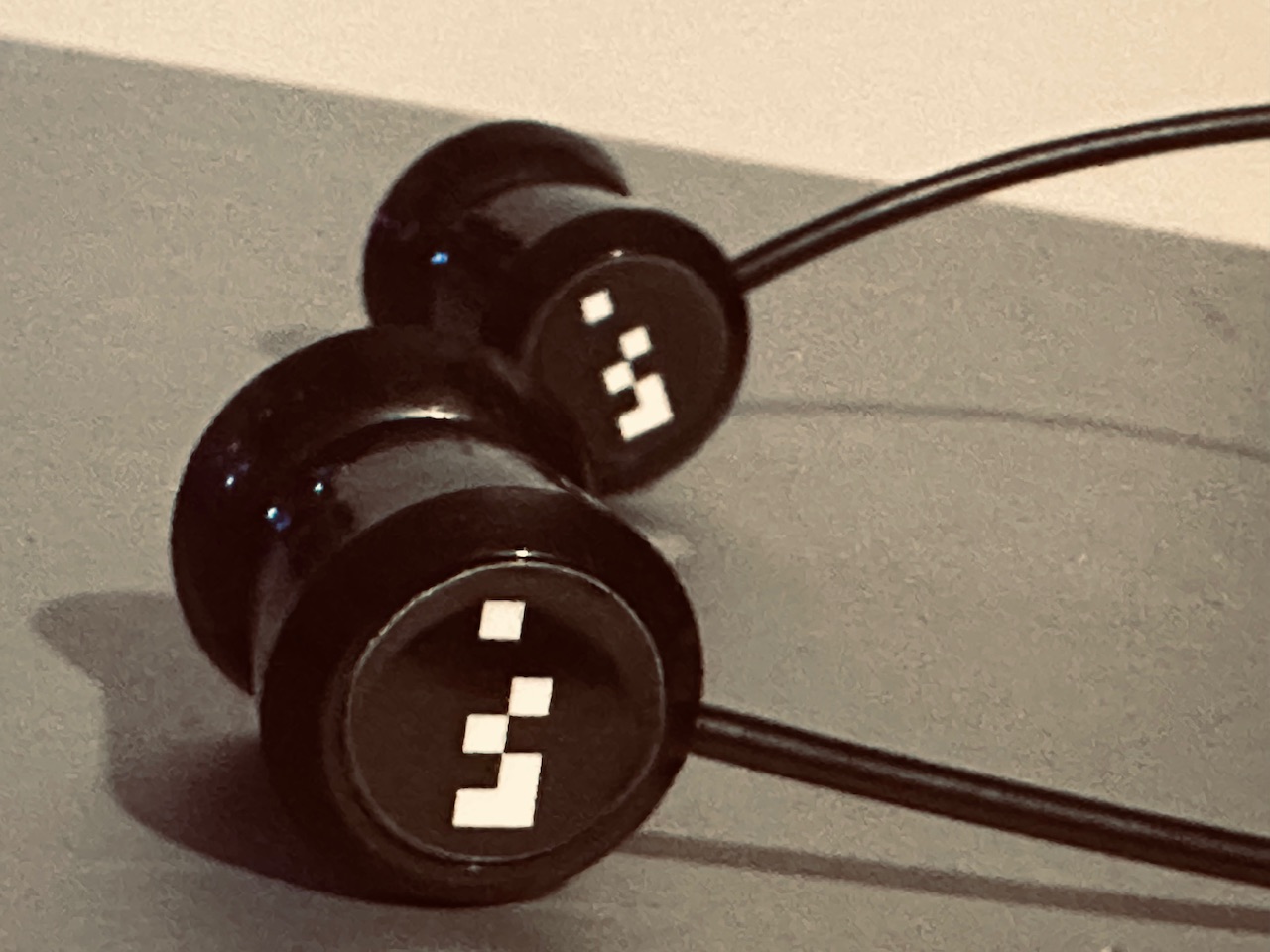
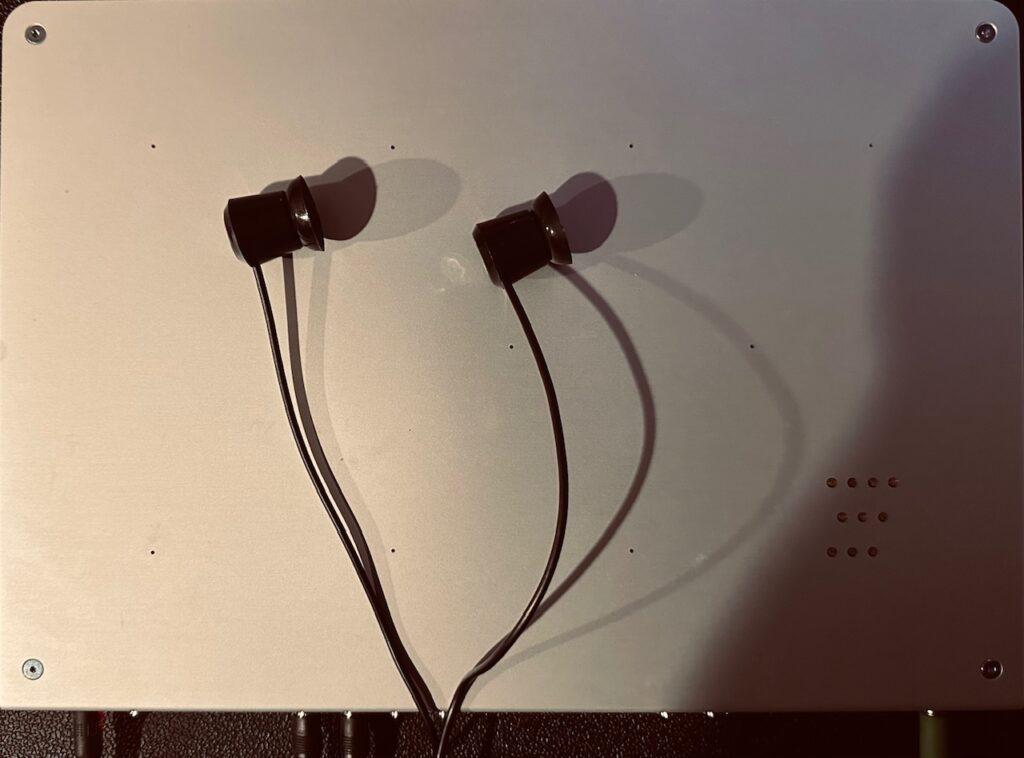
Today I received the Koma Elektronik / Passepartou Duo Chromaplane, a synthesizer that uses magnetic fields and pickups to produce sound. I’m not much into standalone synths. I don’t particularly have the space, and many are keyboard based, which is something I don’t really do. I’m not averse to hitting the occasional key or chord, but not as the primary means of playing an instrument. Chromaplane, however, is different. It’s comprised of 10 oscillators, each of which puts out a magnetic field which is read by two handheld pickups. As the pickup gets closer to each magnetic field, the sound becomes louder. If you place the pickup between magnetic fields, you get a dyad or chord. Although the oscillator output is natively a square wave, Chromaplane has two mechanisms to soften the sound and allow for more muted overtones. The aluminum body naturally absorbs vibrations and helps to tame higher harmonics. More drastically, however, the output passes through a resonant low pass filter with control that ranges from 20Hz-20kHz. After the filter stage, if one so chooses, is a PT2399 delay, with Time, Feedback, and wet/dry mix controls. The output is intoxicating, even on just the first note. You can watch a demo video of this instrument here, which does a fantastic job of explaining the controls and functionality.
When I first started to play it, I knew I wanted to record something. I didn’t receive it until a bit later in the day, and the AC in my studio space is busted, which means it’s hot as Hades in there. But I still had to work up something.
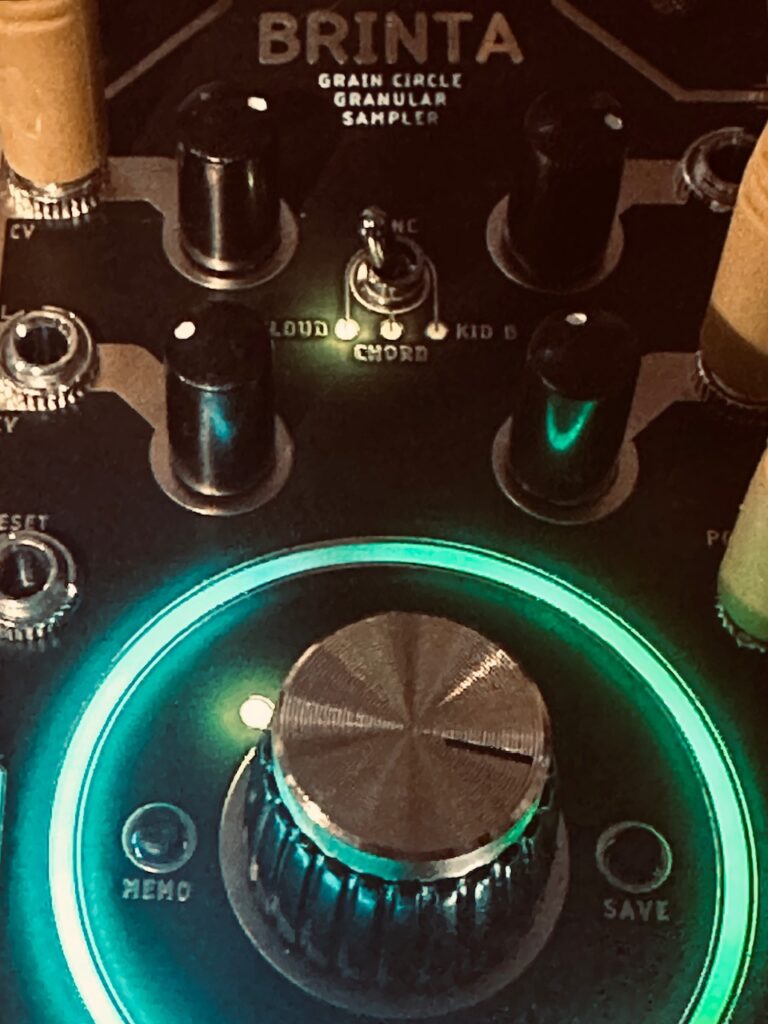
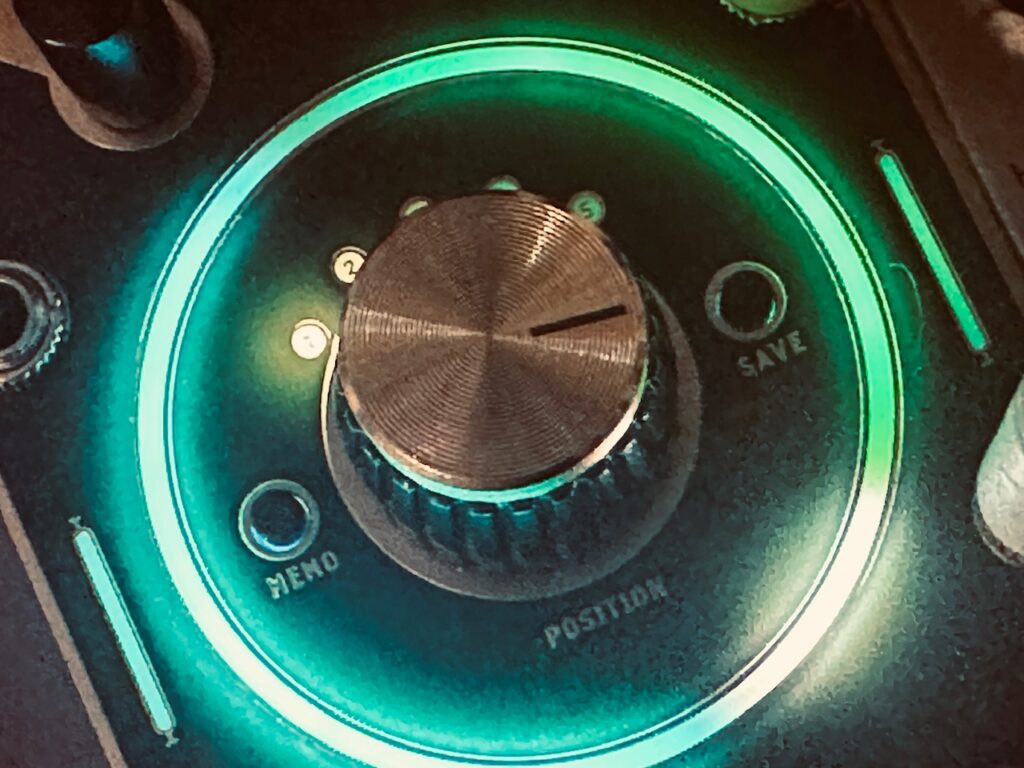
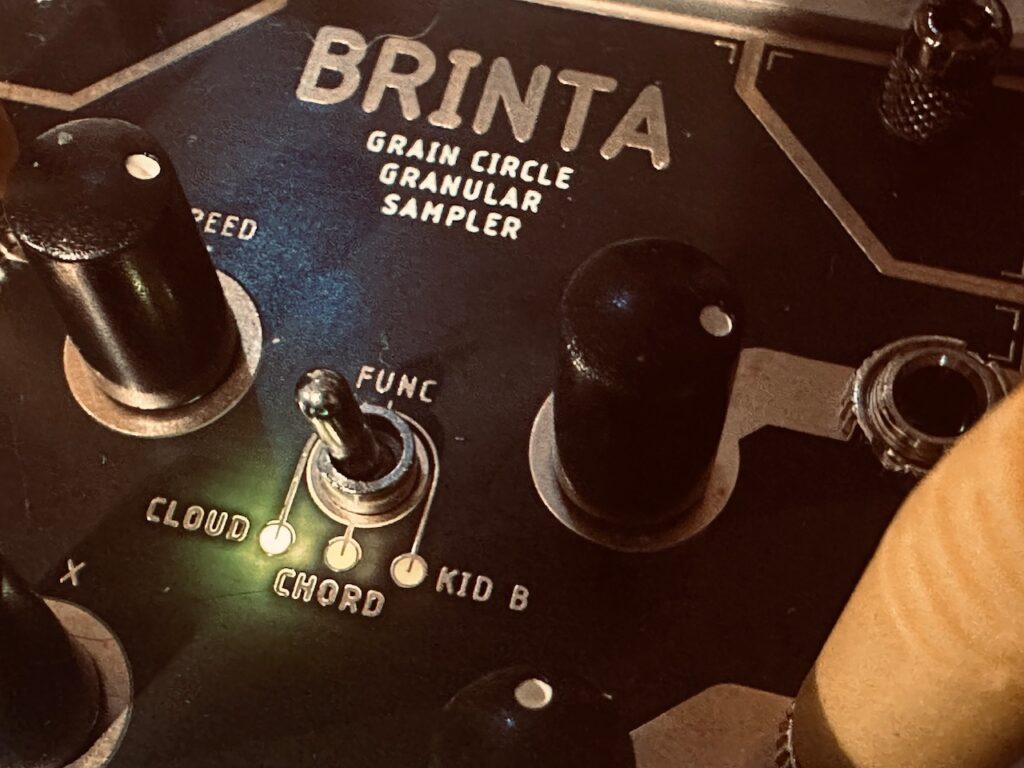
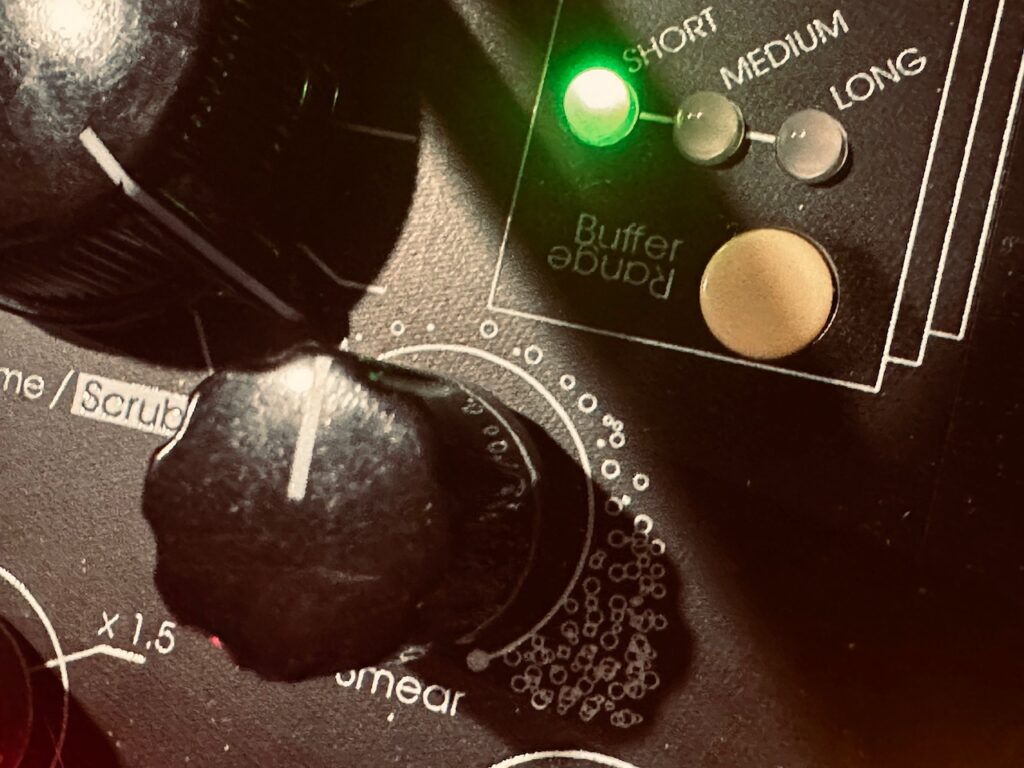
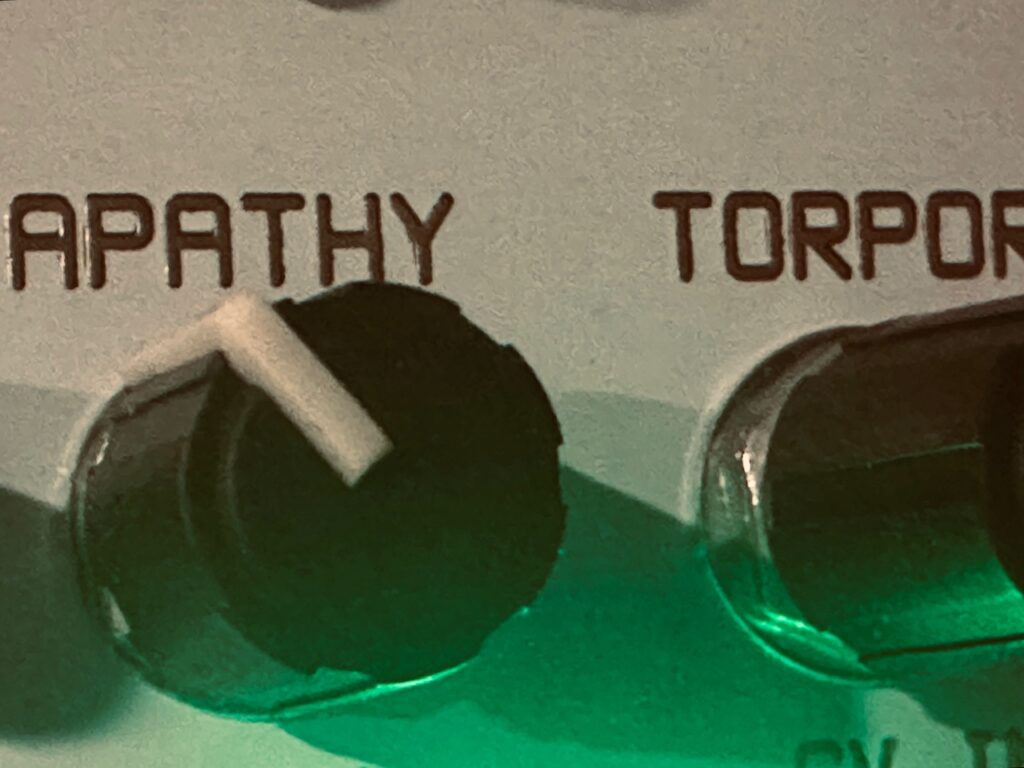
I wasn’t really sure how I wanted to start, but I took a leap of faith and patched the output of the Chromaplane, via an FX send in AUM, to the wonderfully charming Error Instruments Brinta. I love Brinta, even if I don’t use it very often. It’s clever and simple, yet it seems to have a sort of magic within that can’t really be produced by anything else. Its buffer is very short, only 3 seconds, so sometimes it’s difficult to get just the right material. My goal with today was to quickly play a series of notes played in no particular order or with no rhyme or reason, and record it onto the buffer. From there I found a nice sweet spot, and then proceeded to lightly modulate Size, Speed and the Position with Torpor X, Y, and Z outputs from the Nonlinearcircuits Triple Sloths. I didn’t want craziness, but I wanted some variety at the output. The buffer now looping, I had a beautiful cloud through which the Chromaplane might float. This technique worked fantastically. Brinta pulled through strong yet again. Toward the end I quickly switched from Cloud mode to Chord mode, which are fundamentally different granular engines. Cloud mode spreads the area from which a play head might gather a grain in the buffer, and plays them simultaneously. Chord mode harmonizes grains with the notes being played from the buffer, adding up to six in a major or minor chord, depending on the knob direction from noon. I only kept it in chord mode just long enough to get a few sparkles racing upwards, and it worked just as I’d hoped it might.
I patched the output of Brinta to the Holocene Electronics Non-Linear Memory Machine, not so much for repeats, but to lengthen and thicken out the grains just a bit. The output was at a 50/50 mix, and went straight to the mixer before being sent to a pitched down reverb from the Walrus Audio Slöer.
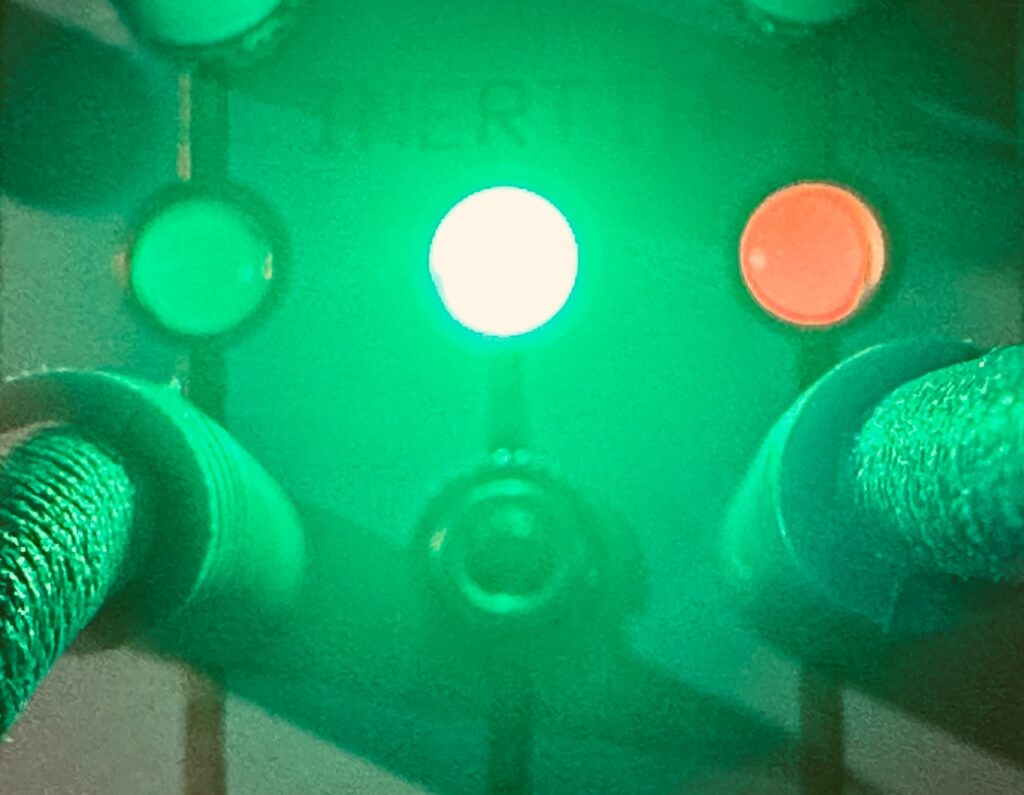
Being unfamiliar with Chromaplane, I opted for a very conservative performance. Enveloping sounds, creating chords, and even the location of notes in the factory tuning are all foreign to me, so I’ll have to get accustomed to its peculiarities before I light up the charts with it. That said, it’s an eminently approachable instrument by mere mortals. I used the factory tuning, with the cutoff frequency low enough for a very rounded, soft sound, along with the internal delay. The output was sent to the mixer and on to the reverb.
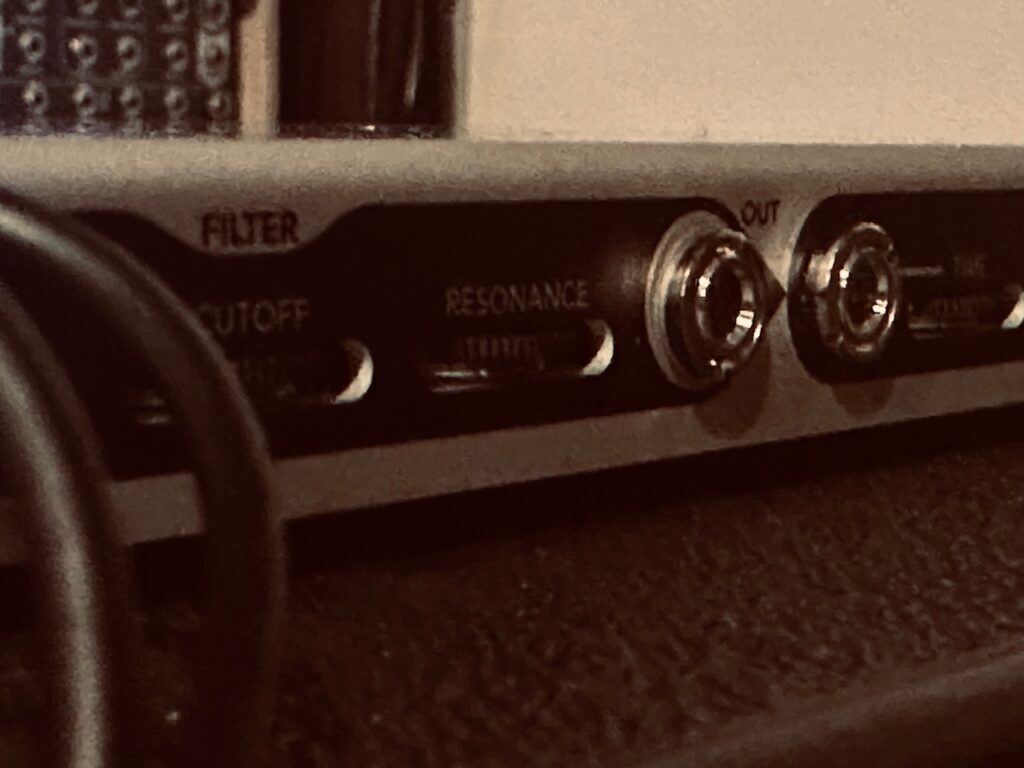

Chromaplane is a magical device, and is an instrument that can be very expressive and emotive. It’s something that begs to be played. I’m sure I’ll use it quite often in the future.
Modules Used:
Error Instruments Brinta
Holocene Electronics Non-Linear Memory Machine
Nonlinearcircuits Triple Sloth
Intellijel Amps
Standalone Synth(s) Used:
Koma Elektronik / Passepartout Duo Chromaplane
Walrus Audio Slöer
Noisy Fruits Lab Lemon
Improvised and recorded in one take on iPad in AUM via the Expert Sleepers ES-9.